
Budget Protein Meals for College Students: Low‑Cost, High‑Protein Recipes
— 7 min read
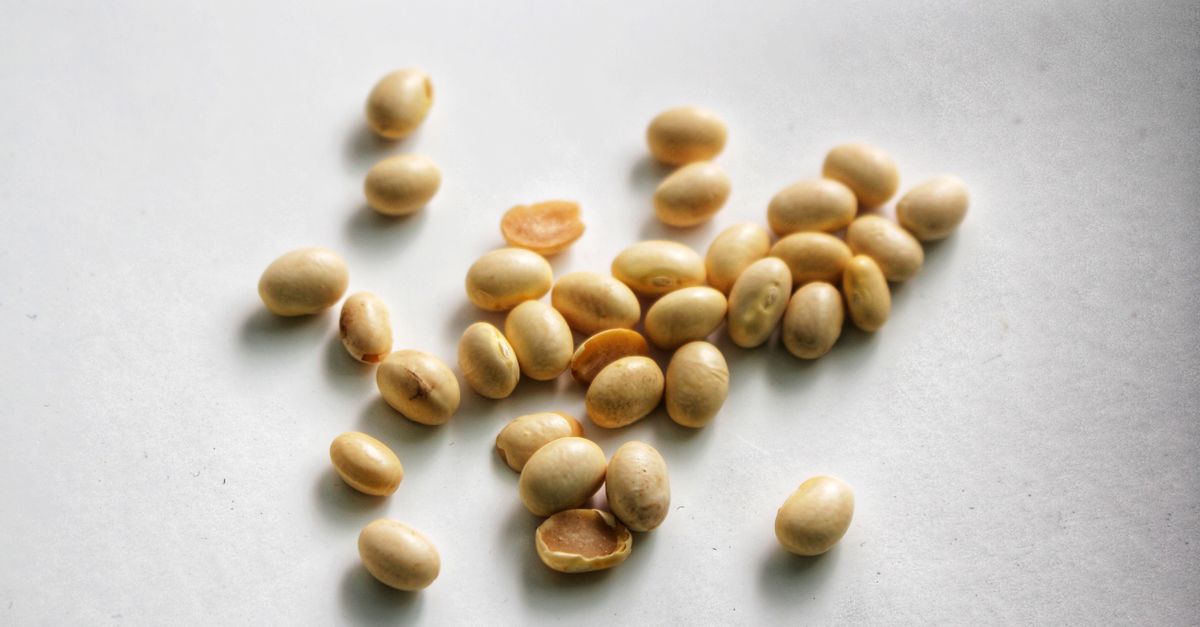
College life is a marathon, not a sprint - and you need fuel that won’t empty your wallet. In 2024, students are turning to clever, cheap protein sources that keep energy steady for late-night study sessions, gym workouts, and everything in between. Below is a bold, step-by-step guide to hitting your daily protein goals without breaking the bank.
1. Beans: The Budget-Friendly Protein Classic
Beans are the workhorse of cheap protein. One cup of cooked black beans delivers about 15 g of protein and costs roughly $0.45 when bought dry. Because a pound of dry beans yields about six cups, the per-serving price drops even lower for bulk shoppers.
Cooking beans is easy: rinse, soak for 6-8 hours (or use the quick-soak method), then simmer for 45-60 minutes. For a student with a single-pot dorm kitchen, beans can double as a base for chili, burrito bowls, or a protein-rich salad. Mix cooked beans with corn, diced tomatoes, lime juice, and a sprinkle of cumin for a Mexican-style side that costs under $1 per serving.
Beans also supply fiber, iron, and potassium, helping to keep energy stable during late-night study sessions. If time is tight, canned beans are a safe backup; a 15-oz can of kidney beans provides 13 g of protein for about $0.80, and rinsing removes excess sodium.
Key Takeaways
- Dry beans cost under $0.50 per cup of cooked protein.
- One-pot cooking keeps dorm kitchens clutter-free.
- Combine beans with veggies for a complete amino-acid profile.
Common Mistake: Skipping the soak and tossing dry beans straight into the pot. The result? Hard, uneven beans that take forever to cook and waste precious time.
2. Lentils: Quick-Cook, High-Protein Legume
Lentils are the sprint runner of legumes. A cooked cup offers 18 g of protein and typically costs $0.35 when purchased dry. Unlike most beans, lentils finish in 15-20 minutes, making them perfect for rushed mornings.
Rinse a cup of red lentils, add two cups of water, and simmer until tender. Add a bouillon cube, chopped carrots, and a dash of curry powder for a one-bowl meal that stays under $1.20 per serving. For extra texture, stir in a handful of spinach just before the pot is done; the greens add iron and vitamin C, which improves iron absorption from the lentils.
According to the USDA, college-age adults need about 56 g of protein per day; a single cup of lentils supplies nearly a third of that target.
For snack-time, cool cooked lentils, toss with olive oil, sea salt, and smoked paprika, then bake at 400°F for 20 minutes. The result is a crunchy, protein-packed topping for salads or a stand-alone snack that costs less than $0.50 per portion.
Common Mistake: Over-cooking lentils until they turn mushy. Keep an eye on the clock; a firm bite means you’ve locked in texture and nutrients.
3. Eggs: The Ultimate Pocket-Sized Protein
Eggs are nature's pre-packaged protein bar. One large egg provides 6 g of protein and can be bought for about $0.15 each when purchased in a dozen. Their versatility makes them a staple for any dorm kitchen.
Scramble two eggs with a splash of milk, a pinch of salt, and a handful of frozen peas for a quick, fluffy dish that costs roughly $0.40 per serving. Boil a batch of eggs at the start of the week; each boiled egg stays fresh for up to a week in the fridge, ready to be sliced onto toast, added to grain bowls, or tossed into a salad.
For a sweet twist, whisk an egg with a tablespoon of honey, pour into a ramekin, and microwave for 45 seconds. The result is a protein-rich custard that can be topped with berries for a breakfast under $0.70.
Common Mistake: Storing boiled eggs in the shell for more than a week. They can develop off-flavors and become a breeding ground for bacteria.
4. Canned Tuna: Protein on the Go
A 12-oz can of water-packed tuna contains roughly 40 g of protein and costs about $1.50, translating to less than $0.10 per gram of protein. The shelf-stable nature of tuna means it can be stored in a backpack for quick meals.
Mix half a can with a tablespoon of Greek yogurt, diced celery, and a squeeze of lemon for a tuna salad that replaces mayo with a lower-fat, higher-protein binder. Spread the mixture on whole-grain crackers for a snack that stays under $0.80 per portion.
For a warm dish, heat a can of tuna with a can of diced tomatoes, a pinch of oregano, and cooked pasta. The entire meal costs around $1.20 and delivers 30 g of protein, perfect for a post-gym refuel.
Common Mistake: Forgetting to rinse canned tuna. A quick rinse slashes sodium and keeps your blood pressure in check.
5. Peanut Butter: Creamy Protein on a Budget
Two tablespoons of natural peanut butter pack 8 g of protein and cost about $0.15. The high-fat content provides sustained energy, making it a favorite for marathon study sessions.
Stir peanut butter into a bowl of oatmeal, add a sliced banana, and sprinkle with cinnamon for a breakfast that costs under $0.60. Alternatively, blend peanut butter with frozen berries, a splash of almond milk, and a scoop of whey protein for a smoothie that tops $1.00 per glass.
Pro Tip: Buy peanut butter in bulk jars (2 lb) to reduce the per-tablespoon cost to under $0.05.Common Mistake: Choosing flavored peanut butter loaded with sugar. Stick to natural, unsweetened varieties for true protein power.
6. Greek Yogurt: Creamy, Protein-Rich Snack
Half a cup of plain Greek yogurt supplies 11 g of protein and usually costs $0.50. Its thick texture makes it a satisfying base for both sweet and savory dishes.
Combine Greek yogurt with a drizzle of honey, a handful of granola, and fresh berries for a parfait that stays under $1.00. For a savory twist, stir in chopped cucumber, minced garlic, and a dash of dill to create a tzatziki dip perfect for carrot sticks or pita chips.
Because Greek yogurt is high in calcium, it supports bone health - a crucial factor for students who sit for long hours at desks.
Common Mistake: Leaving yogurt out at room temperature for more than two hours. Bacteria multiply fast, turning a healthy snack into a health risk.
7. Cottage Cheese: Mild-Minded Protein Power
One cup of low-fat cottage cheese delivers 28 g of protein for under $1.00. Its mild flavor blends well with both sweet and salty ingredients.
Top cottage cheese with pineapple chunks and a sprinkle of chia seeds for a tropical snack that costs about $0.80. Mix it into a baked potato along with salsa and a dash of pepper for a hearty dinner that stays under $1.20.
Cottage cheese’s high casein protein releases slowly, making it an excellent nighttime option to support muscle recovery while you sleep.
Common Mistake: Buying pre-flavored cottage cheese that hides added sugars. Opt for plain and flavor it yourself.
8. Tofu: Plant-Based Protein That Absorbs Flavors
A half-block of firm tofu (about 200 g) provides 11 g of protein and costs $1.70 on average. Its sponge-like texture soaks up marinades, turning a bland ingredient into a flavor powerhouse.
Press tofu to remove excess water, cut into cubes, and toss with soy sauce, garlic, and ginger. Bake at 375°F for 25 minutes, then add to a stir-fry with mixed vegetables. The entire plate costs roughly $1.60 and supplies 20 g of protein.
For breakfast, crumble tofu into a skillet, season with turmeric, black salt, and nutritional yeast, and cook until golden. This “scrambled tofu” mimics the texture of eggs and costs about $0.90 per serving.
Common Mistake: Skipping the press step. Unpressed tofu releases water into the pan, leaving you with soggy, flavor-less bites.
9. Tempeh: Fermented Protein with a Nutty Edge
One 100-g serving of tempeh offers 19 g of protein for $2.80 and retains a firm bite that holds up in grilling or sautéing.
Slice tempeh thin, marinate in a mixture of soy sauce, maple syrup, and smoked paprika, then pan-fry for 5 minutes per side. Serve over quinoa and roasted broccoli for a balanced bowl that costs $2.20 and delivers 30 g of protein.
Because tempeh is fermented, it contains beneficial probiotics that aid digestion - a bonus for students juggling irregular meals.
Common Mistake: Boiling tempeh for too long. A quick steam (5-7 minutes) keeps its nutty crunch intact.
10. Canned Chicken: Shelf-Stable Protein Solution
A standard 12-oz can of chicken provides 28 g of protein and is priced around $2.00, making it a convenient pantry staple.
Drain the chicken, mix with a tablespoon of olive oil, lime zest, and chopped cilantro for a quick taco filling. Serve in corn tortillas with shredded lettuce and salsa for a dinner that stays under $1.80.
For a casserole, combine canned chicken with cooked brown rice, frozen peas, a splash of low-fat milk, and a sprinkle of cheddar cheese. Bake at 350°F for 20 minutes; the dish costs about $2.10 and yields 35 g of protein per serving.
Common Mistake: Using the chicken straight from the can without draining excess liquid, which can make dishes soggy and dilute flavor.FAQ
How much protein do college students need daily?
The average college-age adult requires about 56 g of protein per day, though athletes or highly active students may need 70-90 g.
Can I combine these protein sources for a complete amino-acid profile?
Yes. Pairing legumes (beans, lentils) with grains (rice, quinoa) or nuts completes the essential amino-acid profile, ensuring full nutrition.
What’s the best way to store cooked beans and lentils?
Cool them quickly, then portion into airtight containers. They keep well in the refrigerator for up to 5 days or in the freezer for 3 months.
Are canned proteins safe to eat daily?
Yes, as long as you choose low-sodium varieties and rinse them before use to reduce excess salt.
Glossary
- Protein gram: One gram of protein provides about 4 calories and is a building block for muscles, enzymes, and hormones.
- Casein: A slow-digesting dairy protein that releases amino acids over several hours.
- Probiotic: Live microorganisms that support gut health, often found in fermented foods like tempeh.
- Bulk purchase: Buying larger quantities (usually at warehouse stores) to reduce cost per unit.
- Marinade: A flavorful



