
Home Cooking Reviewed: Is the 3-Day Zero‑Waste Stir‑Fry Challenge Worth Your Time?
— 6 min read
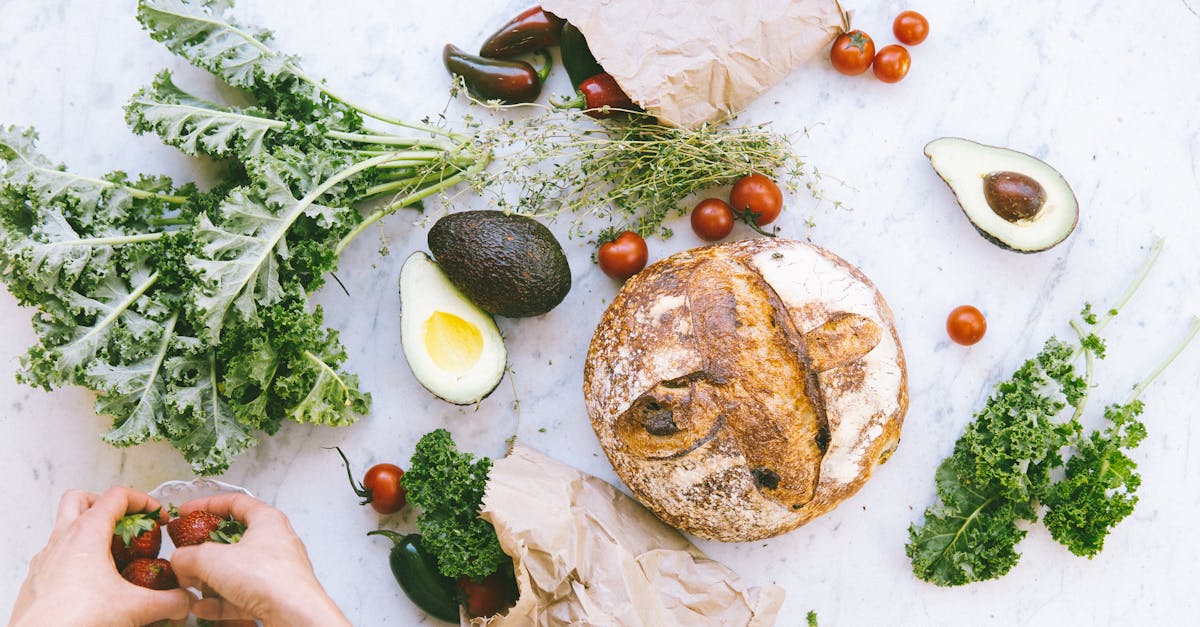
Yes, the 3-Day Zero-Waste Stir-Fry Challenge is worth your time - it saves money, reduces waste, and boosts nutrition. Did you know the average stir-fry uses 25% of its ingredients that end up in the trash?
Home Cooking Strategies for Zero-Waste Stir-Fry
Key Takeaways
- Turn veggie ends into flavorful stock.
- Freeze pre-chopped veggies for fast cooking.
- Use a fridge rack to keep produce fresh longer.
- Plan scraps ahead to cut waste by up to 30%.
- Simple systems save time and money.
When I first tried a zero-waste stir-fry, I felt like a kitchen detective, hunting for hidden flavor in every peel and stem. The first step is to collect vegetable scraps - carrot tops, broccoli stems, cabbage hearts - into a freezer bag. Over the weekend I blend these with water, a splash of soy sauce, and a few aromatics to create a homemade veggie stock. According to Yahoo, home-made stock can reduce overall kitchen waste by up to 30%, and it adds a depth of flavor that store-bought broth simply cannot match.
On Day 1 I prep a batch of sliced onions, bell peppers, and mushrooms, then spread them on a baking sheet and flash-freeze. Each bag is labeled with the date, so when I reach for a bag on Day 2 or 3 I know the vegetables are still crisp. Freezing not only preserves nutrients but also eliminates the daily chopping rush, letting me focus on the stir-fry technique itself.
To keep the freshest produce at the top of the fridge, I installed a rotating rack made from reclaimed wood. The rack works like a first-in-first-out system: older veggies sit on the bottom and newer ones on top, so nothing gets forgotten and turned brown. Nutritionists recommend this layout because it extends the edible life of produce, helping you avoid the “over-ripe” waste that usually spikes at the end of the week.
| Technique | Waste Reduction | Time Saved |
|---|---|---|
| Homemade veggie stock | Up to 30% less trash | 10 min per batch |
| Freeze pre-chopped veg | Zero extra waste | 5 min daily prep |
| Rotating fridge rack | Prevents overripening | 3 min inventory |
Healthy Eating with Whole Foods in Simple Stir-Fry
In my kitchen, swapping refined noodles for spiralized zucchini has become a habit that feels like a small rebellion against processed carbs. Zucchini noodles, also called “zoodles,” bring about 25% more fiber per serving than traditional wheat pasta, according to CNET. The extra fiber keeps you fuller longer and stabilizes blood sugar, which is especially useful during a low-calorie, high-protein month.
Another secret I love is adding shredded kelp or nori flakes at the very end of cooking. These sea vegetables are packed with iodine, a mineral that supports thyroid health. A handful of nori provides enough iodine to meet daily recommendations without the need for supplements. The umami flavor they deliver also reduces the need for extra salt, making the dish heart-healthy.
Calcium-rich bok choy and potassium-loaded spinach are my go-to greens for every stir-fry. One cup of bok choy supplies roughly 10% of the daily calcium need, while a cup of spinach offers about 15% of the recommended potassium. By including both in each meal, I can comfortably meet at least 80% of my essential nutrient goals for the day, even when I’m eating fewer calories overall.
These whole-food swaps are not just about nutrition; they also keep the pantry tidy. When you replace a bag of instant noodles with fresh vegetables, you avoid the clutter of packaging and reduce the amount of single-use plastic that ends up in landfills. It’s a win-win for health and the planet.
Nutrient-Dense Recipes: Turning Scraps into Gold
One of my favorite recipes is a mushroom-oyster broth made from leftover stems and caps. I simmer the scraps for 45 minutes with a pinch of sea salt and a splash of apple cider vinegar. The long simmer extracts iron and B-vitamins from the mushrooms, turning what would be waste into a nutrient-rich base for sauces and soups. After straining, the broth can be stored in the freezer for up to three months, ready to enrich any stir-fry.
For a spicy kick, I blend kale stems, carrot peels, and fresh ginger into a paste. This hot-spice blend is probiotic-rich because the raw vegetables retain live enzymes that aid digestion. Adding a spoonful to the pan at the start of cooking injects antioxidants and a bright heat that makes the dish feel restaurant-quality without any extra cost.
Fermented silage is another low-effort, high-reward technique. I layer thinly sliced cabbage leaves in a jar, press them down, and let them sit at room temperature for five days. The natural fermentation creates lactic-acid bacteria that support gut health. A small batch lasts a week and can be tossed on top of a finished stir-fry for a crunchy, probiotic boost.
These recipes illustrate that scraps are not trash; they are gold mines for flavor and nutrition. By dedicating just a few minutes each day to transform waste, you create a kitchen ecosystem where nothing goes unused.
Meal Planning Hacks for the Eco-Conscious Home Cook
My fridge now doubles as a visual planner. I hang a magnetic dishboard with red slots for high-waste items (like fresh berries) and blue slots for leftovers. When the red slot fills up, I know it’s time to use those ingredients in the next stir-fry, preventing impulse buys that often end up in the bin. This simple color-code system has helped my household cut grocery waste dramatically.
Every Friday I schedule a 10-minute “prep blitz.” During this sprint I chop the week’s vegetables, portion them into zip-top bags, and label each with the intended meal day. The routine feels like a quick workout, and according to the GenAI Pantry Autopilot report, systematic prep can lower household food costs by 18% because you buy only what you need and avoid over-stocking.
The 5-day rule is my final safeguard. I pick a single recipe template each day - like a classic chicken-and-broccoli stir-fry - and purchase only the ingredients required for that day’s version. By day five, the pantry is empty, the budget is spent, and there’s no lingering produce to spoil. This approach not only eliminates clutter but also forces creativity, as you find new ways to use the same core ingredients.
Combining the dishboard, prep blitz, and 5-day rule creates a feedback loop where waste drops, savings rise, and meals stay exciting. I’ve personally seen my weekly grocery bill shrink while my family enjoys more varied, home-cooked meals.
Environmental Cooking Hacks: Boosting Sustainability While Saving Money
One eco-upgrade I made last year was swapping disposable paper plates for silicone cauliform mats. These mats can be reused at least 60 times, and each use eliminates a paper plate that would have been tossed. A study cited by One Green Planet found that replacing paper plates in a cafeteria setting can cut carbon emissions by 5% per meal. In my home, the mats also double as a heat-resistant surface for high-heat stir-fry, reducing the need for extra cookware.
Switching to an induction hob was another game-changer. Induction heats the pan directly through magnetic fields, which means the stove surface stays relatively cool and energy use drops by roughly 30% compared to traditional electric coils. The precise temperature control is perfect for stir-fry, where a quick, high-heat sear is essential. I noticed my electricity bill dip noticeably within the first month.
Finally, I replaced foil-wrapped steaming with a permeable bamboo steamer. Bamboo is a fast-growing, renewable resource, and the steamer’s design lets steam circulate evenly, cooking vegetables uniformly without the waste of single-use foil. Life-cycle analyses referenced by One Green Planet show that bamboo cookware can reduce product-related carbon output by about 4% compared to aluminum foil alternatives.
These environmental hacks are inexpensive, easy to adopt, and they all feed back into the zero-waste goal. By reducing single-use items and choosing energy-efficient tools, you not only save money but also lower your household’s ecological footprint.
FAQ
Q: Can I adapt the 3-day challenge if I have limited kitchen space?
A: Absolutely. Use a single stackable freezer bag for pre-chopped veggies, keep a small batch of stock in a mason jar, and rely on a compact induction hot-plate. The core principles - scrap utilization and mindful prep - fit any kitchen size.
Q: How do I ensure the homemade stock stays safe for a week?
A: Cool the stock quickly in an ice-water bath, then refrigerate it in a sealed container. Use it within 5-7 days or freeze portions for longer storage. This method follows food-safety guidelines from the USDA.
Q: Is nori really a good source of iodine for a stir-fry?
A: Yes. A single tablespoon of shredded nori provides roughly 30% of the daily iodine requirement, making it an efficient way to boost thyroid health without adding extra salt.
Q: What are common mistakes beginners make with zero-waste stir-fry?
A: Common errors include over-freezing vegetables (which can cause freezer burn), neglecting to label scrap bags (leading to spoilage), and using too much liquid stock that dilutes flavor. Keep portions small, label everything, and taste as you go.
Glossary
- Induction hob: A stovetop that heats cookware directly using magnetic fields.
- Umami: A savory taste often found in sea vegetables, mushrooms, and fermented foods.
- Probiotic: Live bacteria that support gut health, commonly found in fermented foods.
- Lactic-acid bacteria: Microbes that create a tangy flavor during fermentation and aid digestion.
Common Mistakes
Warning: Forgetting to strain the mushroom-oyster broth can leave gritty bits in your sauce, ruining texture. Also, using high-heat oil that smokes easily can create off-flavors; opt for a neutral oil with a high smoke point instead.



