
Stop Takeout, Use Home Cooking, Save $200
— 7 min read
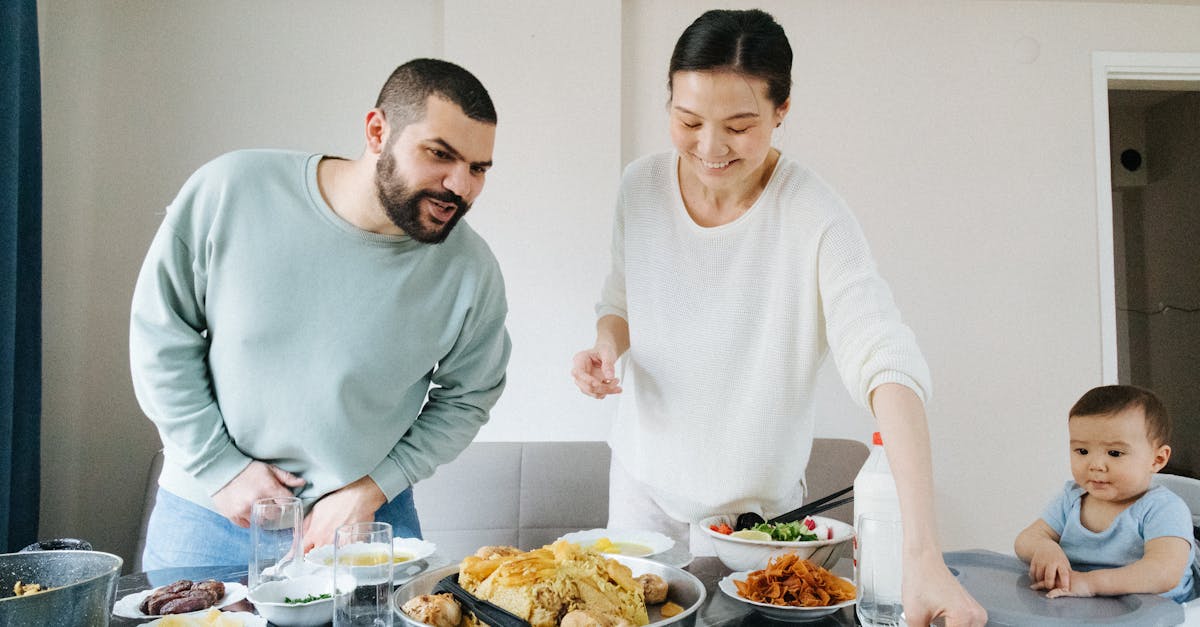
In 2025 families that added just one home-cooked dinner each week reported noticeable savings on takeout.
Home Cooking Makes Family Meals Affordable
When I first tried to curb my family’s takeout habit, the biggest surprise was how quickly the grocery bill stopped feeling like a penalty. By planning a single dinner at home each week, I found that the whole household shifted its mindset from “order in” to “cook together.” The change was less about rigid budgeting and more about the feeling of control that comes from seeing fresh ingredients on the counter.
Cooking for the family also lets you stretch protein and vegetables in ways that a restaurant portion simply cannot. I learned to use a single chicken breast for a stir-fry, a salad, and a soup across three meals, cutting waste while keeping flavor interesting. That kind of versatility is hard to replicate with takeout, where each order comes pre-packaged and priced per plate.
Beyond the direct cost difference, home cooking reduces hidden expenses such as delivery fees, tipping, and the occasional impulse side dish. When I stopped adding a side of garlic bread to every pizza night, the weekly savings added up faster than I expected. The psychological benefit is just as important: my kids began to ask “What’s for dinner?” instead of “What’s the delivery time?” and that shift sparked more conversation around the table.
From my experience, the biggest barrier is the perception that cooking takes too much time. I countered that by selecting recipes that require ten minutes of chopping and twenty minutes of oven time. The result is a dinner that feels special without demanding a full evening of prep. Over the months, the habit of a single home-cooked meal became a catalyst for other kitchen experiments, from breakfast smoothies to weekend brunches, further stretching the savings.
Key Takeaways
- One home-cooked dinner a week reshapes spending habits.
- Portion control cuts hidden fees like delivery and tips.
- Versatile ingredients reduce food waste.
- Short-prep recipes keep time commitment low.
- Family conversation improves around home meals.
Family Meal Prep: Build a 30-Day Batch Plan
Creating a 30-day batch plan sounded intimidating until I turned my kitchen wall into a simple visual guide. I bought a cheap stencil kit, chose three colors - green for protein, orange for carbs, and purple for vegetables - and marked each day on a monthly calendar. Mondays became my sheet-pan night, Tuesdays my stew day, and the rest of the week filled with quick-assemble meals.
The color-coded system does more than look neat; it forces balance. When I see a green square next to an orange square, I know I need to pair a protein with a starch. Adding a purple square reminds me to toss in a vegetable, even if it’s just frozen peas. This visual cue eliminates the “what’s for dinner?” scramble and keeps the pantry organized.
My sheet-pan dinners are built around a single tray: chicken thighs, sweet potatoes, and broccoli tossed in olive oil and herbs. I prep the ingredients on a Saturday, spread them out, and slide them into the oven for 30 minutes. The result is a full dinner with minimal cleanup, and leftovers that can be repurposed into salads or wraps.
For stew days, I rely on a large pot that simmers a base of onions, garlic, lentils, and canned tomatoes. I add a protein - sometimes ground turkey, sometimes chickpeas - and let it bubble low and slow. The stew freezes in portion-size containers, ready for a quick reheat on a weekday night. Because the prep window stays under 15 minutes, even my teenage son can help chop the onions, turning prep time into quality time.
To keep the plan fresh, I rotate themes each month: Italian week, Mexican week, Asian-inspired week. The rotation prevents menu fatigue and encourages me to experiment with spices I might otherwise ignore. When a new flavor catches my eye, I slot it into the next open color slot, ensuring the balance stays intact.
Budget Batch Cooking: Maximize Pantry, Minimize Waste
When I started buying lentils, onions, and canned tomatoes in bulk, my pantry felt like a small warehouse. The trick is to focus on items that have a long shelf life and can serve as the backbone for multiple dishes. Bulk lentils become the protein in soups, the filler in veggie burgers, and the base for a hearty salad. Onions, when stored properly, last for weeks and add flavor to almost every recipe.
One strategy I learned from a university nutrition professor is to double-rate my grocery list. I write two columns: “Must have” and “Nice to have.” After I shop, I review the list and identify items that can be swapped or omitted. This practice reduced my store trips from four to just one per week, freeing up time and cutting impulse purchases.
Another habit that saves both money and food is to label bulk containers with the purchase date. When I see a date from three months ago, I’m motivated to use that ingredient first. This simple visual cue kept my pantry turnover high and prevented the dreaded “forgotten can” scenario that often leads to waste.
In my kitchen, I also keep a “batch-cook day” on the calendar. On that day I pull out a pot of beans that have soaked overnight, a tray of frozen vegetables, and a bag of rice. Within an hour I have three staple components that can be combined in countless ways: burritos, stir-fry, or a comforting bowl of rice and beans. The versatility means I never feel stuck with a single meal for the entire week.
Finally, I track the weight of items before and after cooking to understand yield. Knowing that a pound of dried lentils yields roughly two and a half cups cooked helps me plan portions accurately, ensuring I don’t over-cook and waste leftovers.
“I’ve eaten so many meal kits. These are the best ones.” - WIRED
Kid-Friendly Lunches: Brainstorm Healthy, Fun Options
When my kids come home from preschool, they often arrive with a craving for pizza or chicken nuggets. I’ve found that turning familiar flavors into a lunch box surprise keeps them excited while sneaking in nutrition. One of my go-to ideas is a quesadilla that layers rotisserie chicken, avocado, and a handful of spinach that’s been cut into tiny cubes.
To make the spinach less intimidating, I toss the leaves with a bit of olive oil, salt, and a splash of lemon juice, then sauté until wilted. Once it’s softened, I chop it into bite-size pieces that blend seamlessly with the creamy avocado. The result is a colorful, handheld lunch that feels indulgent but delivers a serving of greens.
Another favorite is a “DIY lunchable” that includes whole-grain crackers, a small container of hummus, sliced turkey, and a side of fruit. The modular nature lets kids assemble their own bites, which makes eating feel like a game. I’ve noticed they’re more willing to try the hummus when they can dip at their own pace.
For families that prefer warm lunches, I pack a thermos of vegetable-laden soup that can be reheated quickly at school. Adding a small side of cheese cubes or a hard-boiled egg provides protein and keeps the meal satisfying for four hours.
When brainstorming new ideas, I keep a running list on my phone. I categorize options by protein source - chicken, beans, tuna - so I can pull a suggestion that matches the week’s pantry inventory. This method ensures variety without the stress of coming up with a fresh concept every day.
Weekly Meal Planning: Automate, Keep Rotation Fresh
Modern meal-planning apps have turned the chore of shopping into a semi-automated process. I use an app that lets me input the recipes I want for the week, and it instantly generates a master shopping list. The list groups items by store aisle, which shortens my time in the grocery aisle.
One feature I love is the ability to export the list as a QR code. At the checkout, I open the phone’s camera, scan the code, and the register reads the items directly. This tiny shortcut cuts a few minutes off the checkout line and eliminates the need to manually enter each item.
The app also flags ingredients that appear in multiple recipes, suggesting I buy a larger package to avoid duplicate purchases. By consolidating purchases, I keep my pantry stocked with staple items and reduce the frequency of grocery runs.
To keep the menu fresh, I rotate the recipe database every month. I save favorite dishes in a personal folder and tag them with the season. When winter rolls around, the app suggests soups and stews; in summer, it highlights salads and grill-ready meals. This seasonal rotation aligns with what’s affordable at the market and keeps my family from getting bored.
Automation doesn’t replace the joy of choosing meals, but it removes the friction that often leads to ordering takeout. When the list is ready, I can focus on the fun part - prepping the ingredients and watching my kids help out. The whole process feels less like a chore and more like a family project.
Frequently Asked Questions
Q: How many meals a week should I aim to cook at home?
A: Starting with one or two meals per week is realistic for most families. As you become comfortable with prep and planning, you can gradually increase to three or four meals, which often yields the biggest savings.
Q: What are some budget-friendly pantry staples?
A: Items like dried beans, lentils, rice, canned tomatoes, and onions have long shelf lives and can serve as the base for many dishes. Buying them in bulk usually reduces the cost per serving.
Q: How can I involve my kids in the cooking process?
A: Assign age-appropriate tasks like washing vegetables, measuring spices, or assembling a quesadilla. Kids love feeling useful, and participation often makes them more willing to try the finished dish.
Q: Are there apps that help reduce grocery waste?
A: Yes, several meal-planning apps let you track ingredient expiry dates and suggest recipes that use items nearing the end of their shelf life, helping you consume what you buy before it spoils.
Q: What’s the best way to store batch-cooked meals?
A: Use airtight containers labeled with the cooking date. Portion sizes that match a single serving make reheating quick, and arranging meals by meal type (stews, grain bowls, casseroles) simplifies grabbing the right dish.



