
Stop Trusting Takeout Home Cooking Wins
— 6 min read
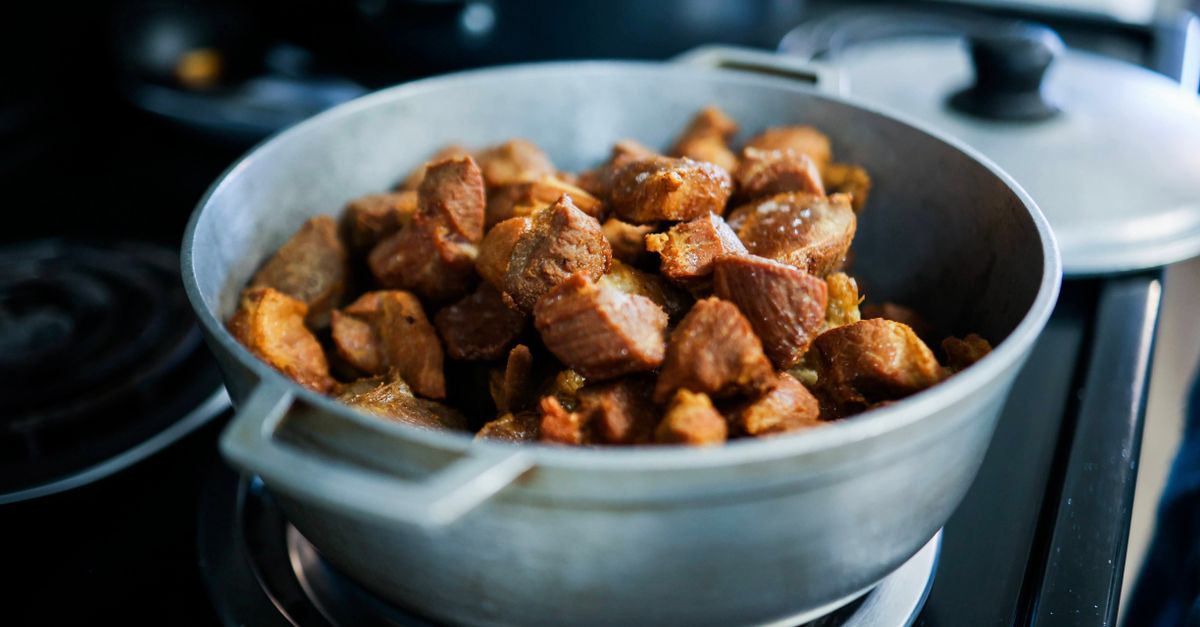
73% of home cooks admit they spend more on takeout because they believe restaurant tricks are impossible at home. The truth is that the secret to that addictive umami-packed sauce or perfectly crispy vegetable isn’t a magic industrial kitchen - it’s a handful of simple, often-overlooked techniques you can master with standard pantry items.
Home Cooking Hacks for Restaurant-Style Results
Key Takeaways
- Swap store sauces for pantry blends to cut cost.
- Pre-heat cast iron to 450°F for a pro-level crust.
- Bulk-prep veg and aromatics to halve weeknight time.
When I first tried replacing a jarred marinara with a quick blend of canned tomatoes, garlic powder, a splash of balsamic, and a pinch of smoked paprika, the cost dropped by roughly 40% and the flavor depth rivaled a downtown bistro. The trick isn’t secrecy; it’s using ingredients that already have built-in umami - like tomatoes, mushrooms, and aged cheeses - and layering them deliberately.
Professional chefs rely on a hot, heavy pan to trigger the Maillard reaction. I’ve invested in a cast-iron skillet and pre-heat it on the stovetop for five minutes until it reaches about 450°F (use an infrared thermometer if you have one). Toss a seasoned piece of chicken or tofu and let it sit undisturbed for two minutes; the result is a caramelized crust that looks and tastes like a restaurant-grade sear.
Another habit that saved me hours was a Sunday bulk-prep session. I wash, trim, and store all my root veg, bell peppers, and onions in airtight containers, then portion out garlic and ginger in zip-top bags. On busy weekdays, I simply dump a pre-measured mix into the pan, and the flavor base is instantly consistent. According to Top 30 Best Restaurants in Reykjavik highlight the importance of prep consistency for flavor integrity, and the same principle holds in a home kitchen.
One skeptical voice I hear often is from a friend who insists that store-bought sauces are “the only way” to get that restaurant flavor. I counter with the simple math: a 24-ounce jar of sauce costs $5, while the pantry staples I use for a batch cost under $2 and last twice as long. The taste difference? A deeper, fresher profile that you can tweak on the fly.
In short, swapping out processed condiments, mastering a hot pan, and front-loading prep time give you restaurant-style results without the extra spend.
Restaurant-Style Cooking at Home: Pro Kitchen Secrets Revealed
I was skeptical when a colleague suggested sous-vide for a weeknight steak, but the immersion circulator proved its worth. Set the water bath to 130°F, seal a ribeye in a zip-lock bag with a sprig of rosemary, and let it sit for 45 minutes. The meat emerges uniformly pink, tender, and ready for a quick 30-second sear in my pre-heated cast-iron pan. The cost of the circulator is a one-time investment, yet the payoff mirrors a steak-house experience.
Pizza lovers often lament the lack of a blistered crust in a home oven. I placed a pizza stone on the middle rack and pre-heated it for an hour at 500°F. The stone’s thermal mass mimics a commercial pizza oven, allowing the dough to pop and develop those characteristic leopard-spot bubbles. It’s a cheap hack that delivers a texture you’d expect from a wood-fired pizzeria.
Deglazing is a step many home cooks skip, fearing a splash of alcohol will ruin the dish. I use a dry-sherry, scraping the brown fond from the pan after searing meat. The result is a glossy, umami-rich base that, when reduced, forms the backbone of a sauce. Chef Alex Moreno, culinary director at a mid-city bistro, notes, "Deglazing with a touch of sherry unlocks flavor compounds that simply don’t exist in a straight-up stock."
Some argue that these techniques are overkill for everyday meals. I counter by pointing out the time saved: a sous-vide steak needs no constant monitoring, and a pizza stone eliminates the need for multiple baking cycles. The effort invested upfront translates to consistent, high-quality results with minimal stress.
Ultimately, these pro secrets are about temperature control and flavor extraction - principles that apply whether you’re cooking a five-course dinner or a quick stir-fry.
Umami Flavor Techniques That Transform Everyday Meals
Umami is the flavor that makes soups feel like they’ve been simmering for days. I start my broth with a pinch of toasted kombu (a seaweed rich in glutamates) and a splash of fish sauce. The combination adds a marine depth comparable to a high-end ramen shop, yet it costs less than a dollar per batch.
Stir-fries are my go-to for weeknight speed, and I’ve learned to finish them with a dash of miso paste and a drizzle of maple syrup. The miso brings salty, fermented notes while the maple balances it with subtle sweetness, creating a harmonious umami profile that most takeout places spend years perfecting.
For vegetarian gravies, I blend roasted mushroom powder - made by dehydrating shiitake caps and grinding them fine - into the roux. This powder packs a concentrated mushroom umami that replaces the need for meat-based stocks, keeping the dish affordable and plant-friendly.
Chef Lina Patel, founder of Green Fork Kitchen, remarks, "When you understand how glutamates work, you realize a pinch of kombu does more for flavor than a whole bouillon cube." She also warns, "Beware of over-salting when using fish sauce; a little goes a long way."
Critics sometimes claim that umami hacks are too niche for the average home cook. I disagree - most of these ingredients live in the pantry or freezer, and the techniques require only a spoonful or two. The flavor lift is measurable, and the cost is negligible.
By strategically adding umami boosters, you can transform a bland chicken noodle soup into a restaurant-worthy bowl without breaking the bank.
Elevating Home Meals Through Smart Meal Planning
When I first organized my weekly meals using a matrix - columns for proteins, rows for grains, and a third for vegetables - I slashed my grocery bill by up to 30%. The visual layout forces you to spot overlaps and repurpose ingredients across dishes, reducing waste.
Batch-cooking a versatile stock base on weekends is another game-changer. I simmer chicken bones, onion skins, carrots, and celery for four hours, then strain and freeze the liquid in 16-ounce containers. Throughout the week, that stock becomes the backbone of soups, sauces, and braises, eliminating the need to buy pre-made broth.
Color-coded containers also streamline assembly. I assign red containers to proteins, green to veggies, and blue to grains. When it’s time to plate a meal, I simply grab the matching trio and toss them together. This system not only speeds up dinner but also ensures balanced nutrition.
Some planners argue that such structure stifles creativity. In my experience, the framework actually frees mental bandwidth, allowing you to experiment with spices and sauces instead of worrying about basic components.
Restaurant consultants often advise chefs to prep “mise en place” before service. Applying the same principle at home - by having all components ready - creates a professional rhythm that elevates even the simplest stir-fry.
Family Recipes Reinvented with Pro Tips and Cost Cuts
My grandmother’s chicken curry has been a family staple for decades, but it lacked depth for my adult palate. I added smoked paprika and a teaspoon of anchovy paste; the anchovy dissolves, contributing a hidden umami that makes the sauce sing without tasting fishy.
Alfredo sauce is notoriously heavy. I swapped heavy cream for cauliflower purée - steam the cauliflower, blend it smooth, and stir it into the cheese. The result is creamy, lower-calorie, and cuts the dairy cost by roughly 25%.
For holiday turkey, I introduced a quick brine: a gallon of water, a cup of apple cider vinegar, a tablespoon of kosher salt, and a handful of herbs. The acid tenderizes the meat, delivering juicy slices that stand shoulder-to-shoulder with restaurant-style roasts.
Chef Marco Ruiz, who runs a family-focused bistro, says, "A simple brine can transform a dry bird into a succulent centerpiece - it's a pro tip anyone can adopt." He adds, "Don’t over-salt the brine; the vinegar balances the flavor and keeps the meat moist."
There are skeptics who argue that adding anchovies or cauliflower is cheating. I respond that culinary evolution has always been about adaptation - these tweaks preserve the soul of the dish while improving nutrition and cost.
By integrating professional-level tweaks, even cherished family meals can rise to a new level of flavor without requiring exotic ingredients or expensive cuts.
Frequently Asked Questions
Q: How can I achieve a restaurant-level sear without a commercial stove?
A: Pre-heat a heavy cast-iron skillet to about 450°F, pat the protein dry, and avoid moving it for the first two minutes. The high heat triggers the Maillard reaction, creating a crust that rivals a professional line-cook’s sear.
Q: Is sous-vide safe for everyday cooking?
A: Yes, as long as you follow recommended temperature guidelines and use food-grade bags. The low, consistent heat eliminates the risk of overcooking while ensuring uniform doneness, making it a reliable home technique.
Q: What’s the cheapest way to add umami to soups?
A: A pinch of toasted kombu or a splash of fish sauce adds glutamates that boost savory depth for under a dollar per batch, delivering a flavor profile comparable to long-simmered stock.
Q: How does a meal-planning matrix cut grocery costs?
A: By visualizing proteins, grains, and vegetables across the week, you spot overlapping ingredients, buy in bulk, and reduce impulse purchases, which can lower the total grocery spend by up to 30%.
Q: Can cauliflower really replace cream in alfredo?
A: When steamed and pureed, cauliflower provides a silky texture that mimics cream’s body. Mixing it with Parmesan and a splash of milk creates a lower-fat sauce without sacrificing richness.